Waikato Hospital Adult Acute Inpatient Facility (AAIF)
Full electrical services package for the Adult Acute Inpatient Facility (AAIF) at Waikato Hospital, one of the region’s most significant health builds.
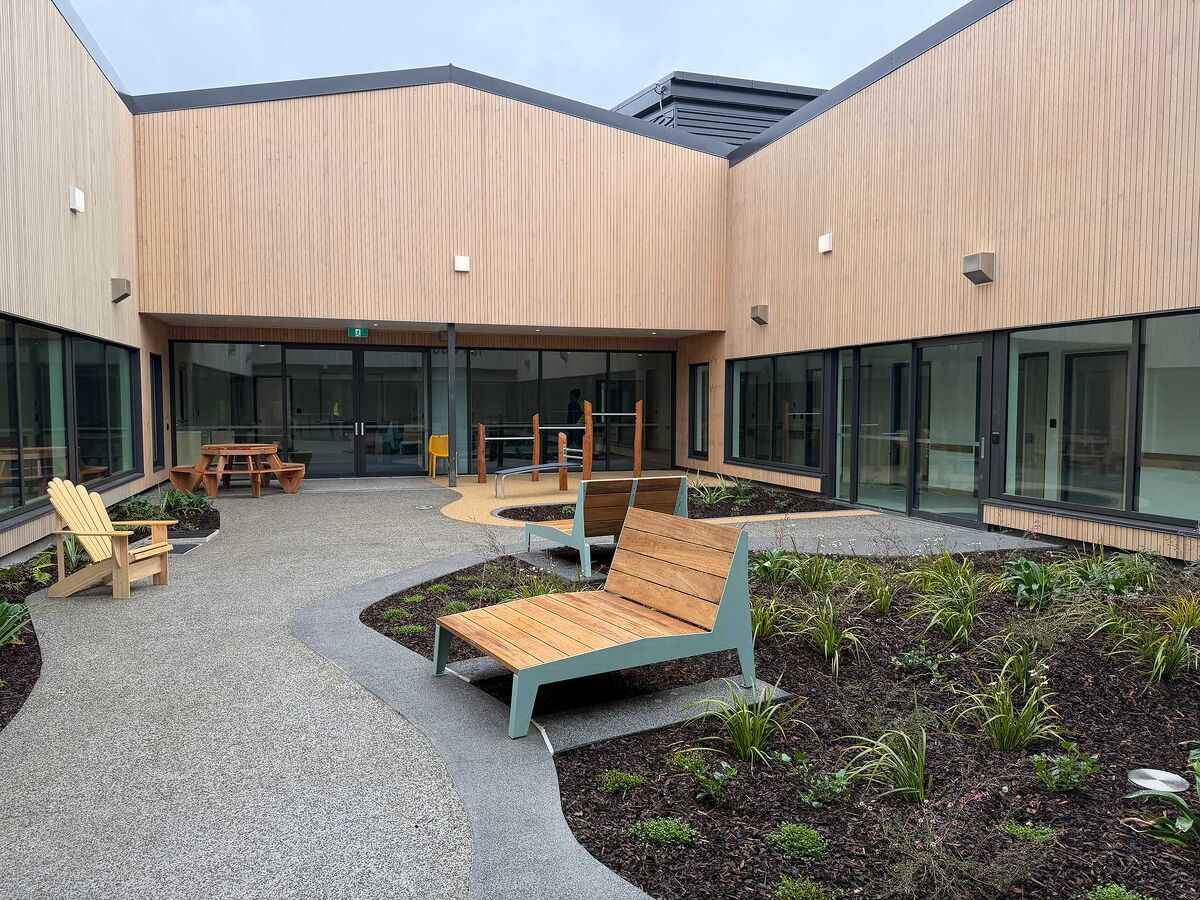
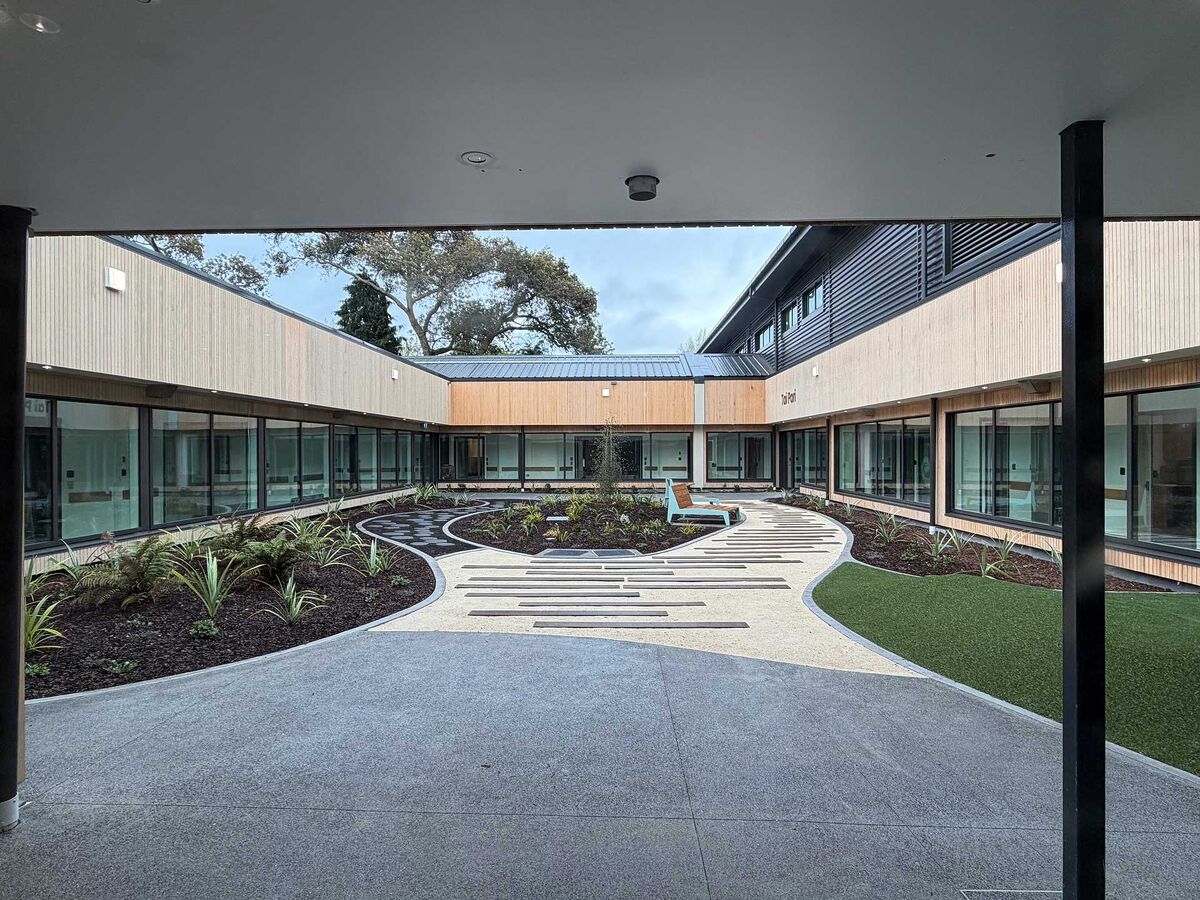
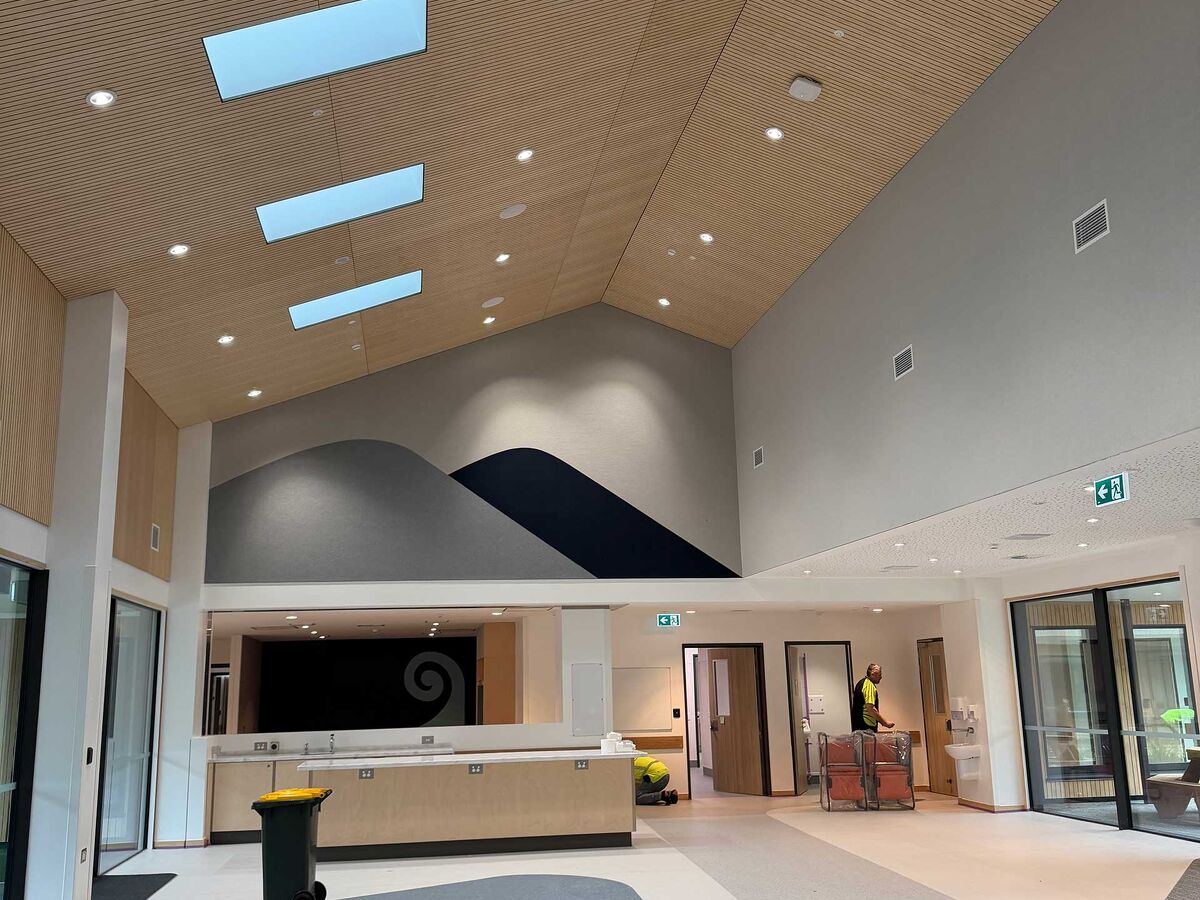
The new two-storey, approximately 68-bed facility is built around an internal courtyard rehabilitation model. It replaces the Henry Rongomau Bennett Centre and forms part of Health NZ Waikato’s Te Pae Tawhiti programme, which is reshaping mental health and addiction services for the region.
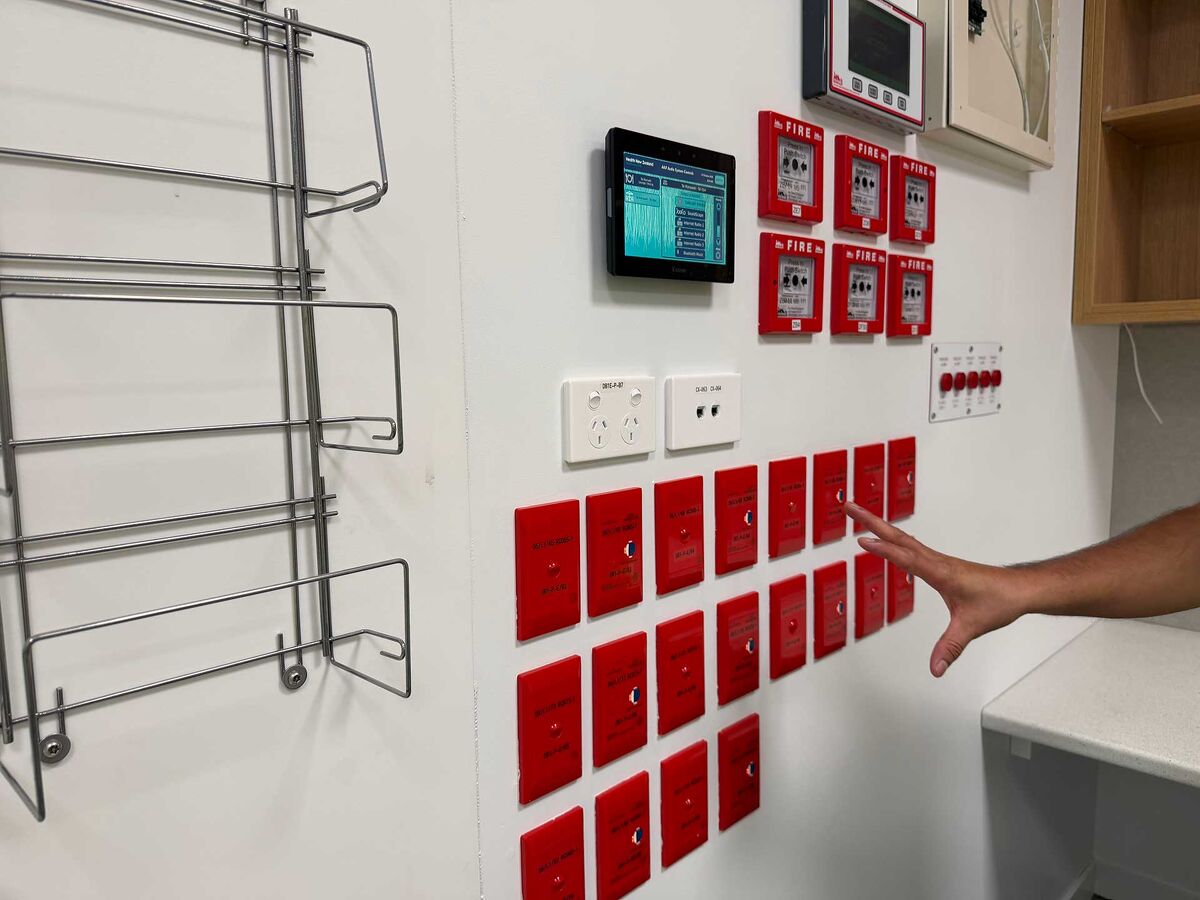
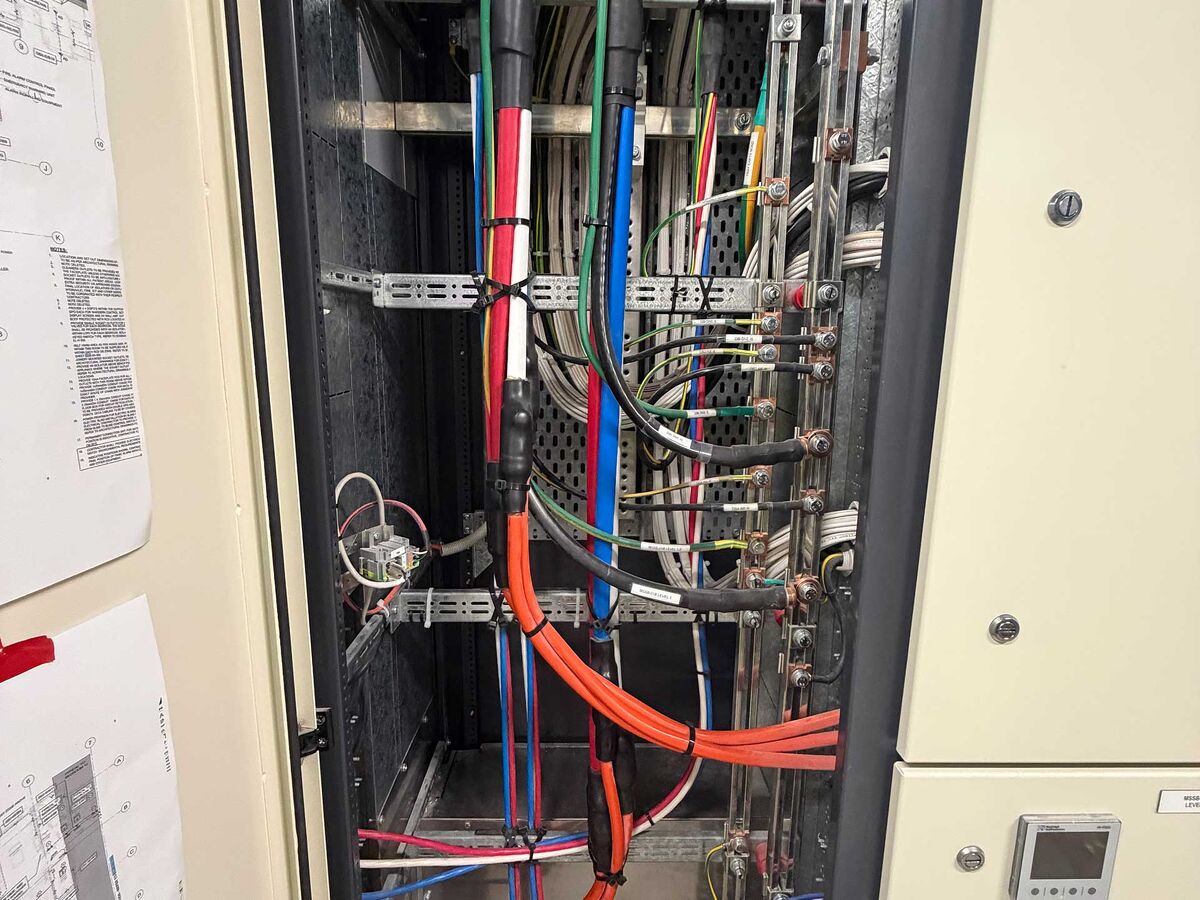
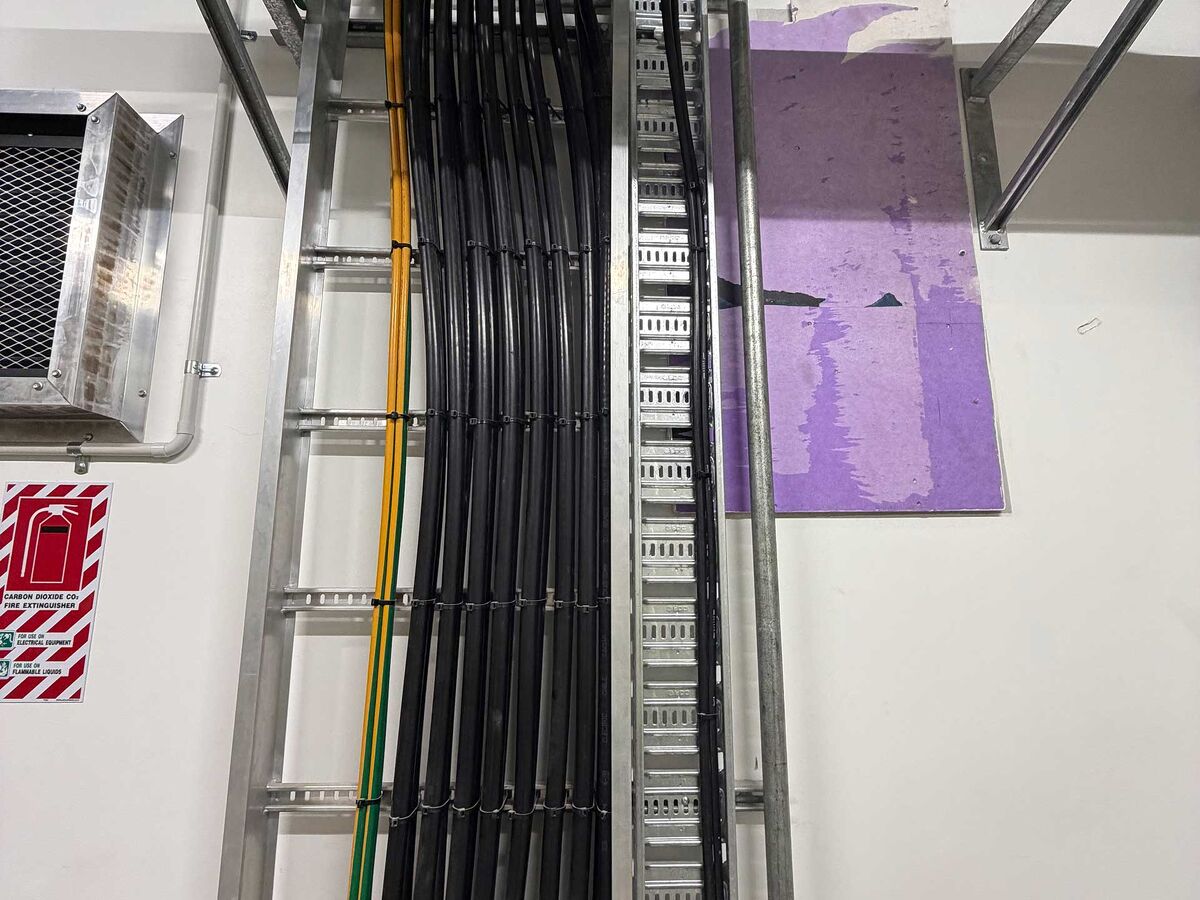
Our scope covered LV trenching and ducting, mains and sub-mains, the main switchboard and distribution boards, cable tray, lighting and lighting control, small power, and earthing and bonding. We also provided BIM coordination, technical submissions, testing, commissioning, certification (CoC/RoI) and O&M documentation.
Healthcare-specific requirements shaped every part of the install:
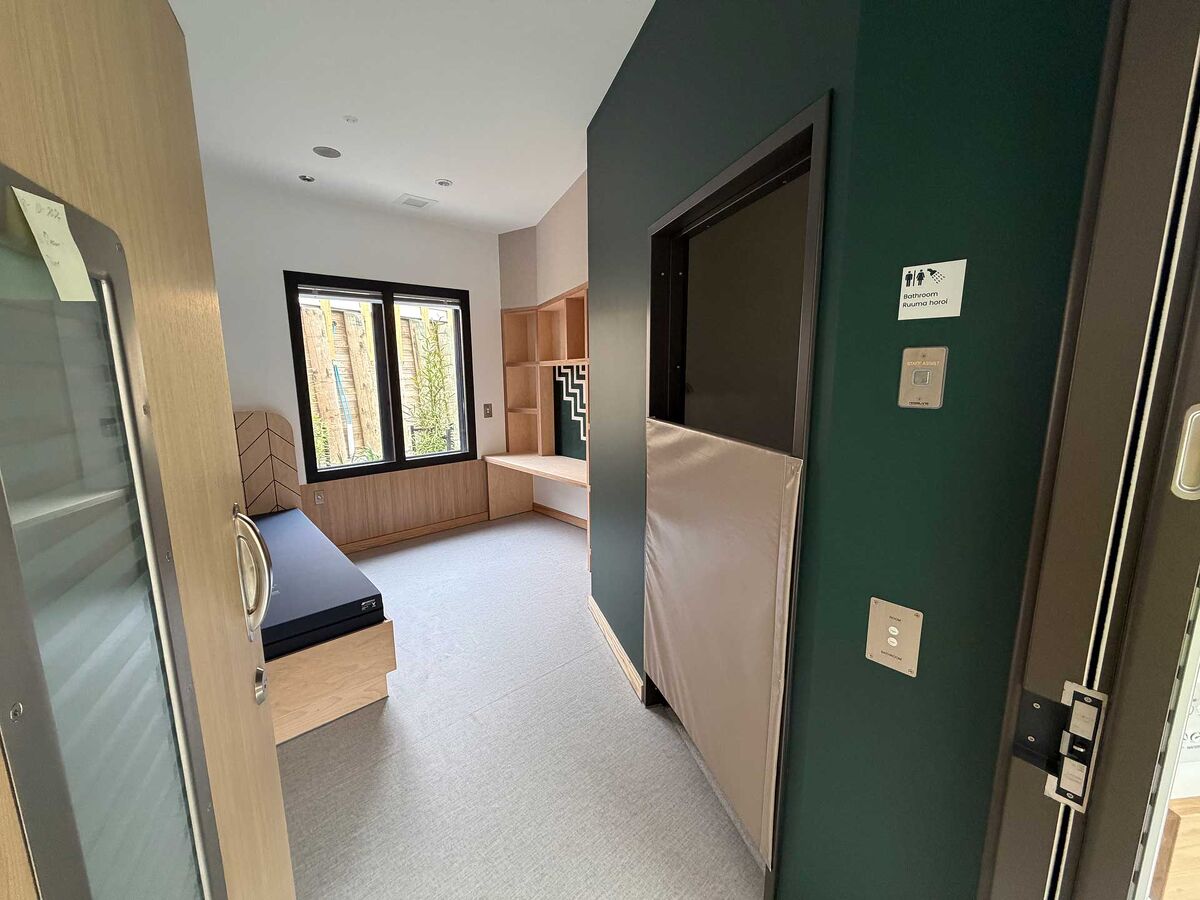
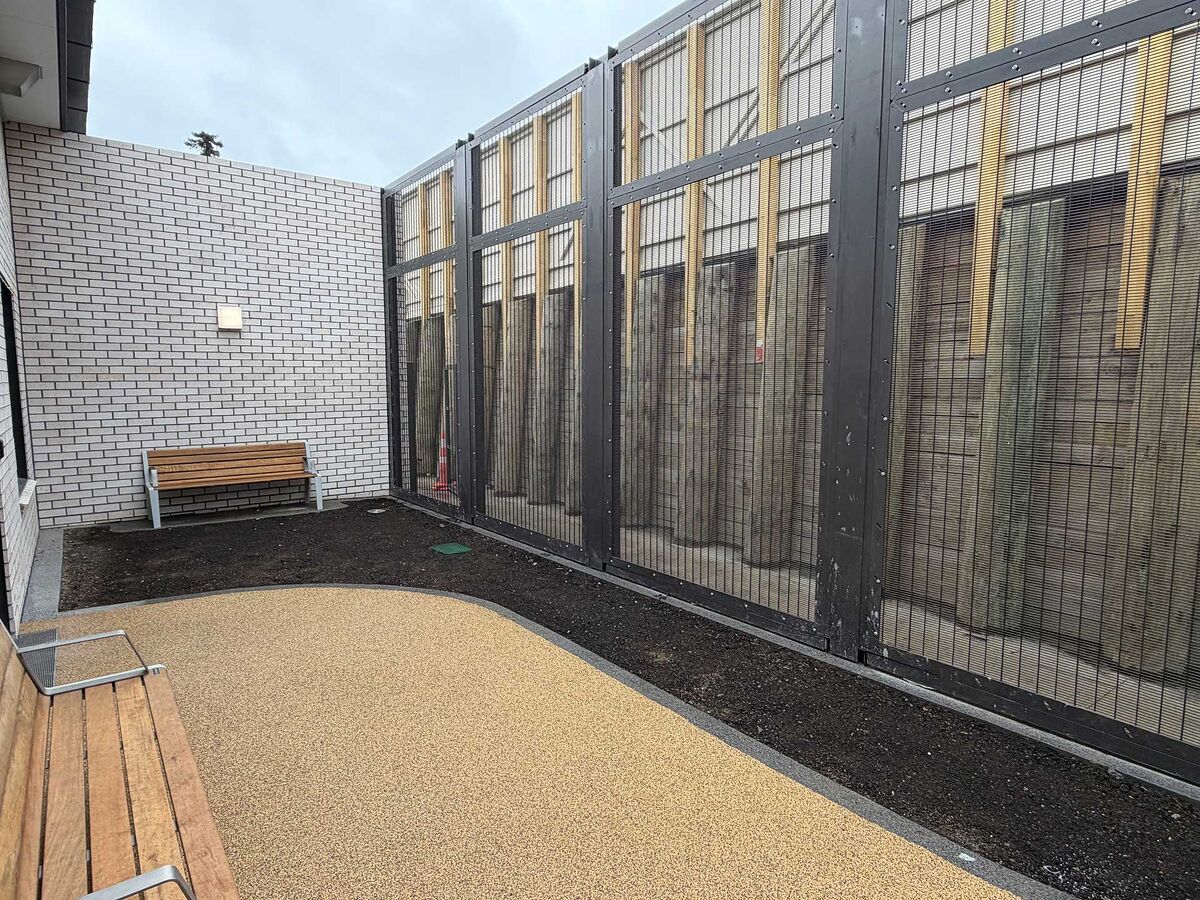
- Each electrical item had to suit the facility’s risk zoning (Levels 1 to 5, from staff-only areas through to high-care suites), including anti-ligature light fittings, switches, outlets and custom covers.
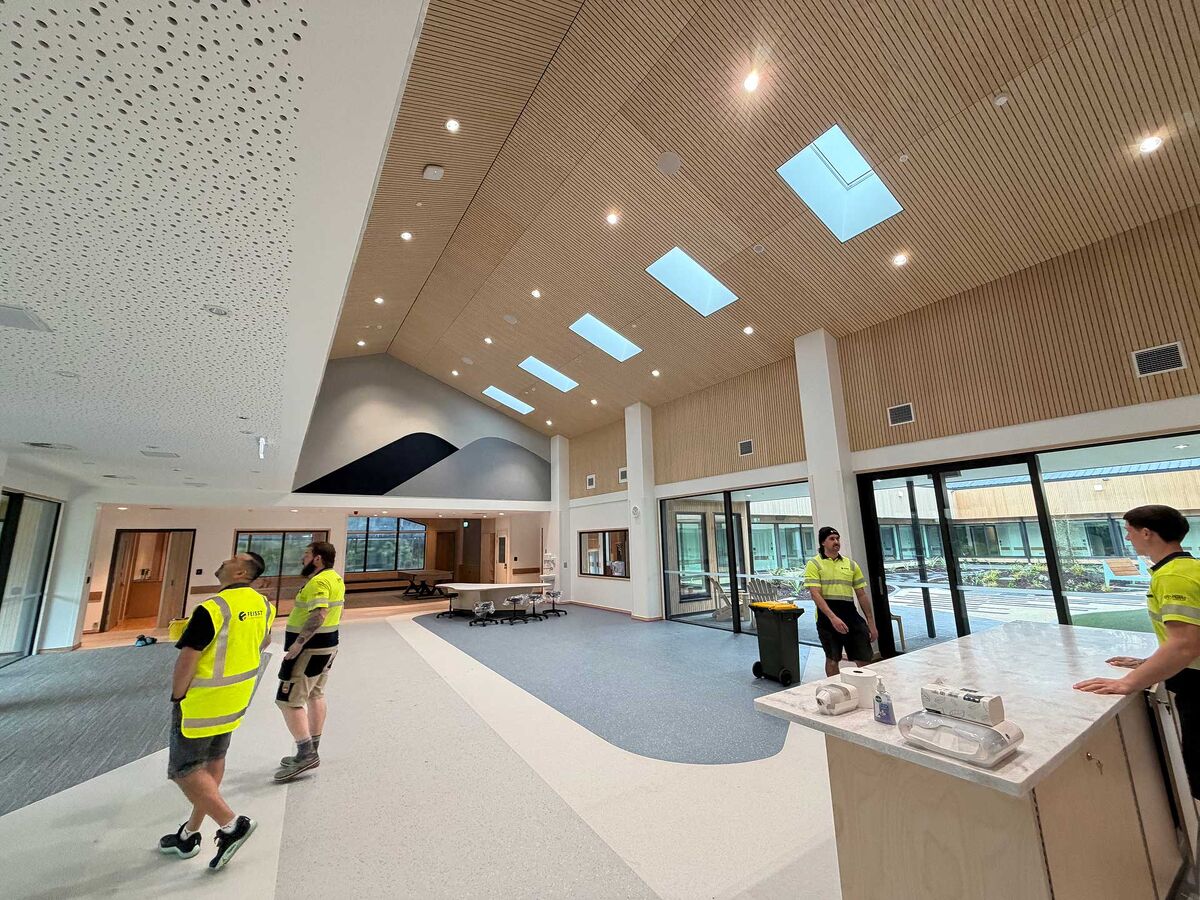
- A KNX/DALI lighting control system from Smart Building Technologies uses presence and daylight sensors to dim lighting automatically and maintain set lux levels.
- Legrand Galaxy monitored emergency lighting runs its own tests, reducing maintenance and site visits for the hospital.
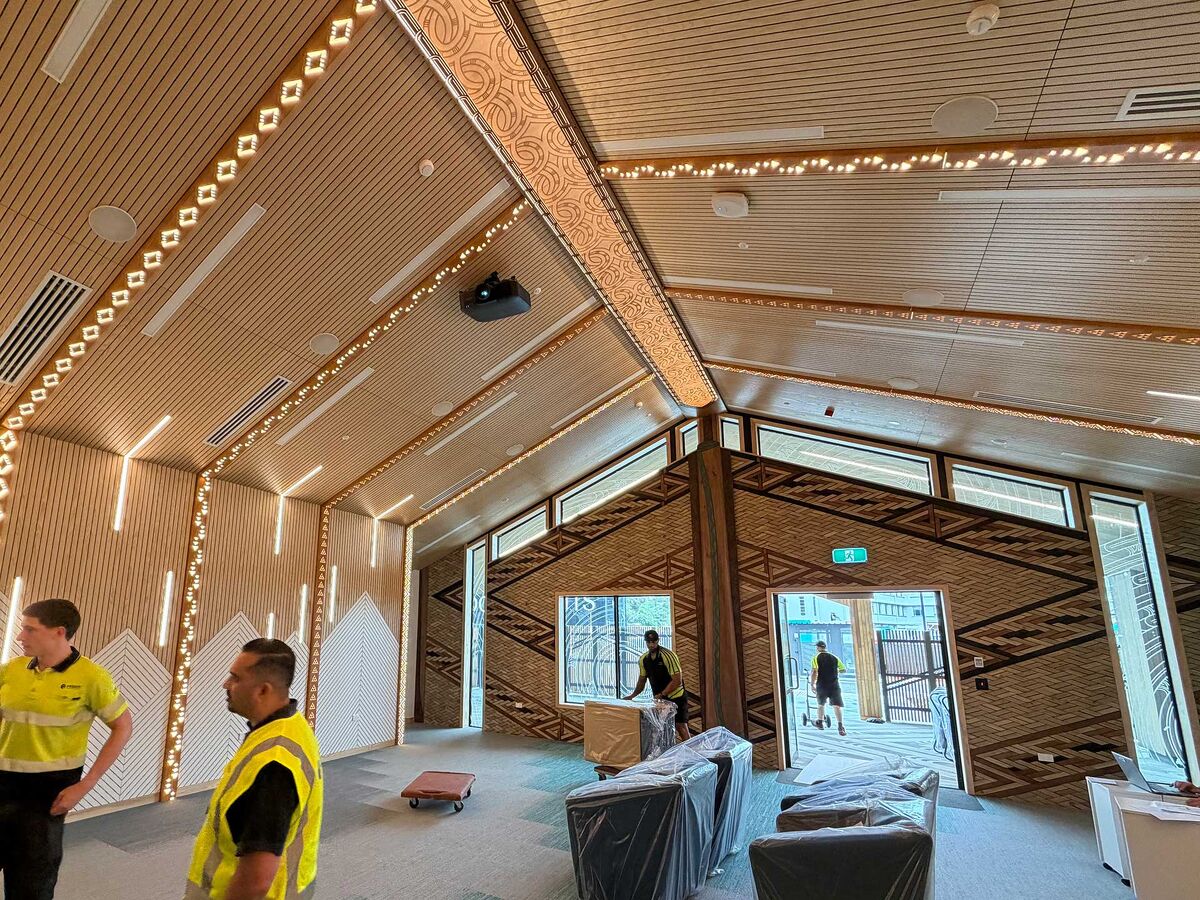
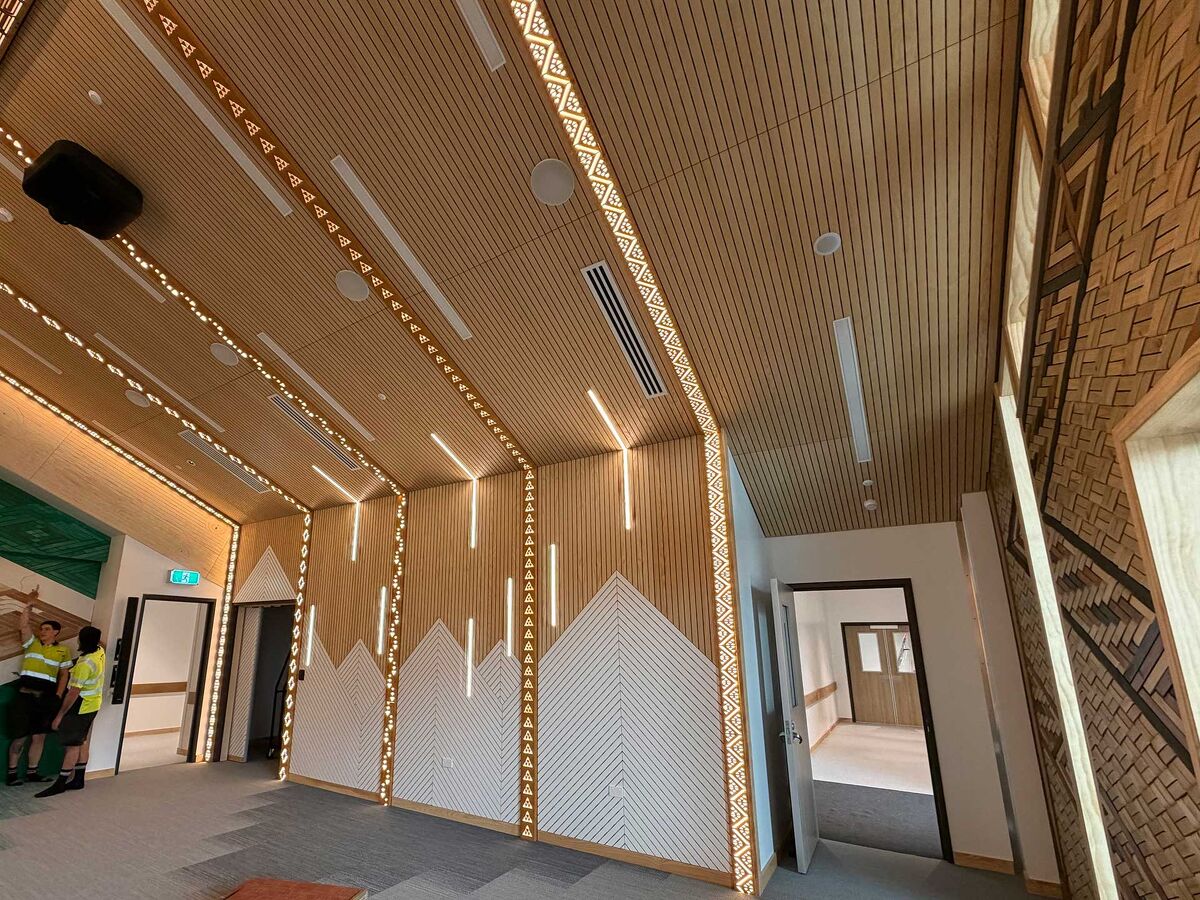
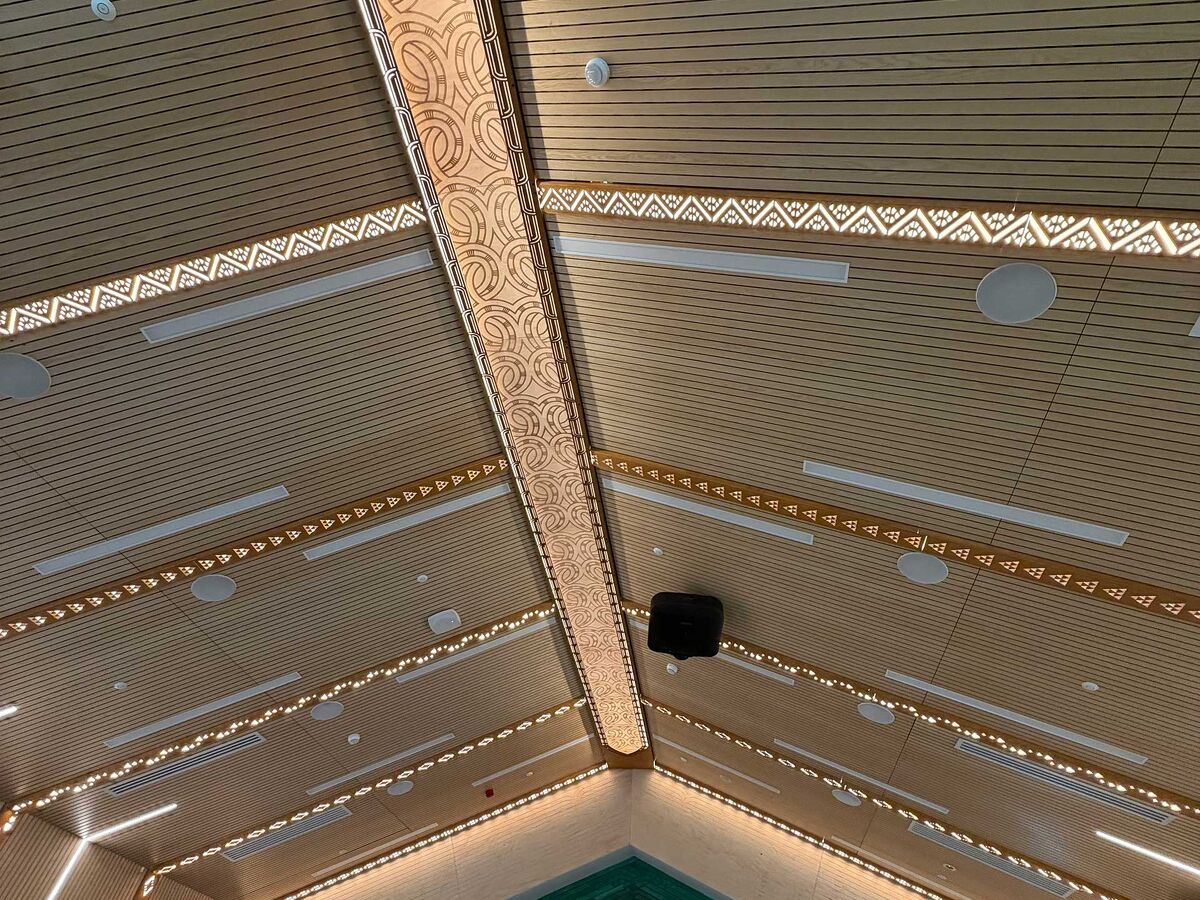
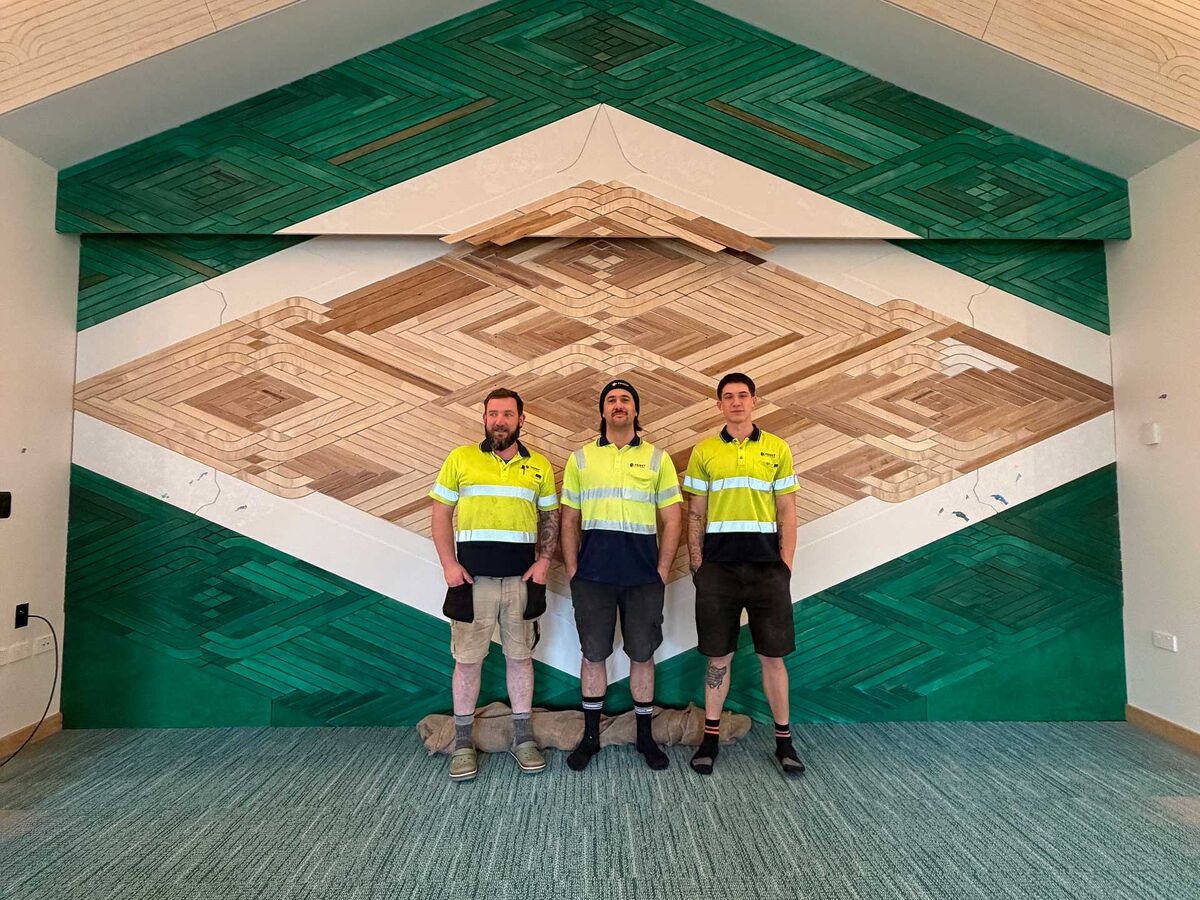
We also installed feature lighting for the Whare, integrated lighting with Māori artworks including the Tomokanga, and completed a 20kVA UPS upgrade during the build.
Delivering on a live hospital campus meant all access was pre-approved through the main contractor Naylor Love and Health NZ, with some works, such as relocating site power, completed after hours to avoid disrupting hospital operations.
Our team of 10 to 15 people worked through a long programme, carefully selecting products and securing substitution approvals to meet anti-ligature requirements without affecting lead times, and adapting to design development with close coordination across the project team.
Interesting facts about the AAIF project:- Approximately 26,000 hours were spent delivering the project on site, not including project management and quantity surveying time.
- The emergency lighting tests itself. The Galaxy system runs automatic tests and reports back, so no manual testing is needed.
- Feisst Electrical processed close to 100 variations during the build, a reflection of the collaborative, problem-solving approach a complex healthcare project demands.
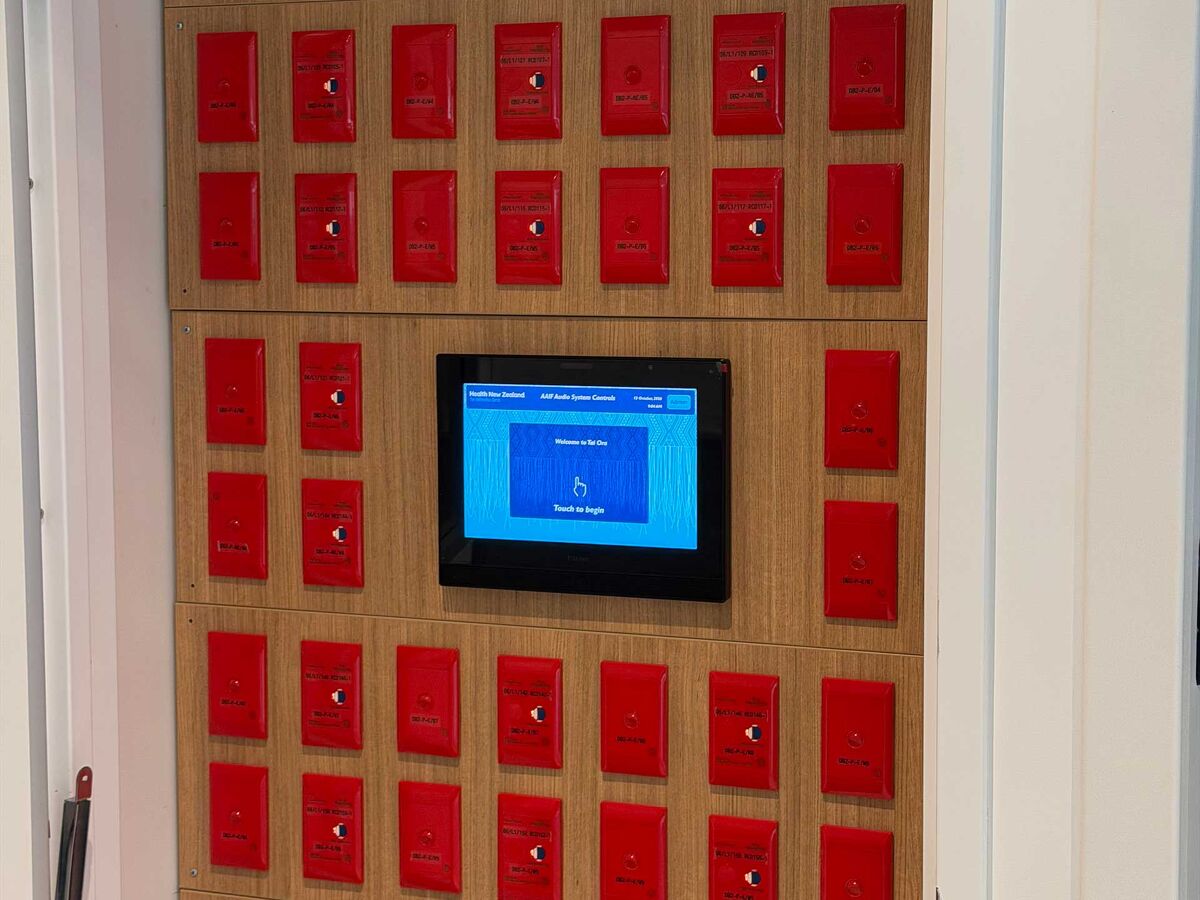
- Feisst Group sister company Structured Technologies delivered the audio and AV systems.